Producing a Thrash Metal Track: A Case Study in Density Control

Producing thrash metal may seem complex at first, but structurally, it’s actually one of the clearest case studies in mix density behavior.
Thrash doesn’t rely on massive orchestration or extreme layering. Instead, it exposes how well you can manage:
Guitar stacking
Low-end interaction
Transient behavior at high BPM
Energy without losing articulation
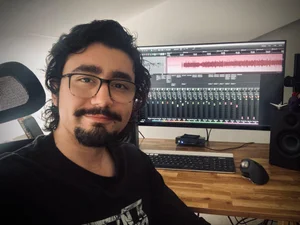
In this article, I’ll break down how I produced “Entre la Verdad”, the first single from my project Clumsy Clown.
You can listen to the song to hear the final result by clicking here.
This article is not only about thrash producing, but actually understanding how density behaves inside fast, guitar-driven music.
Tools and Workflow
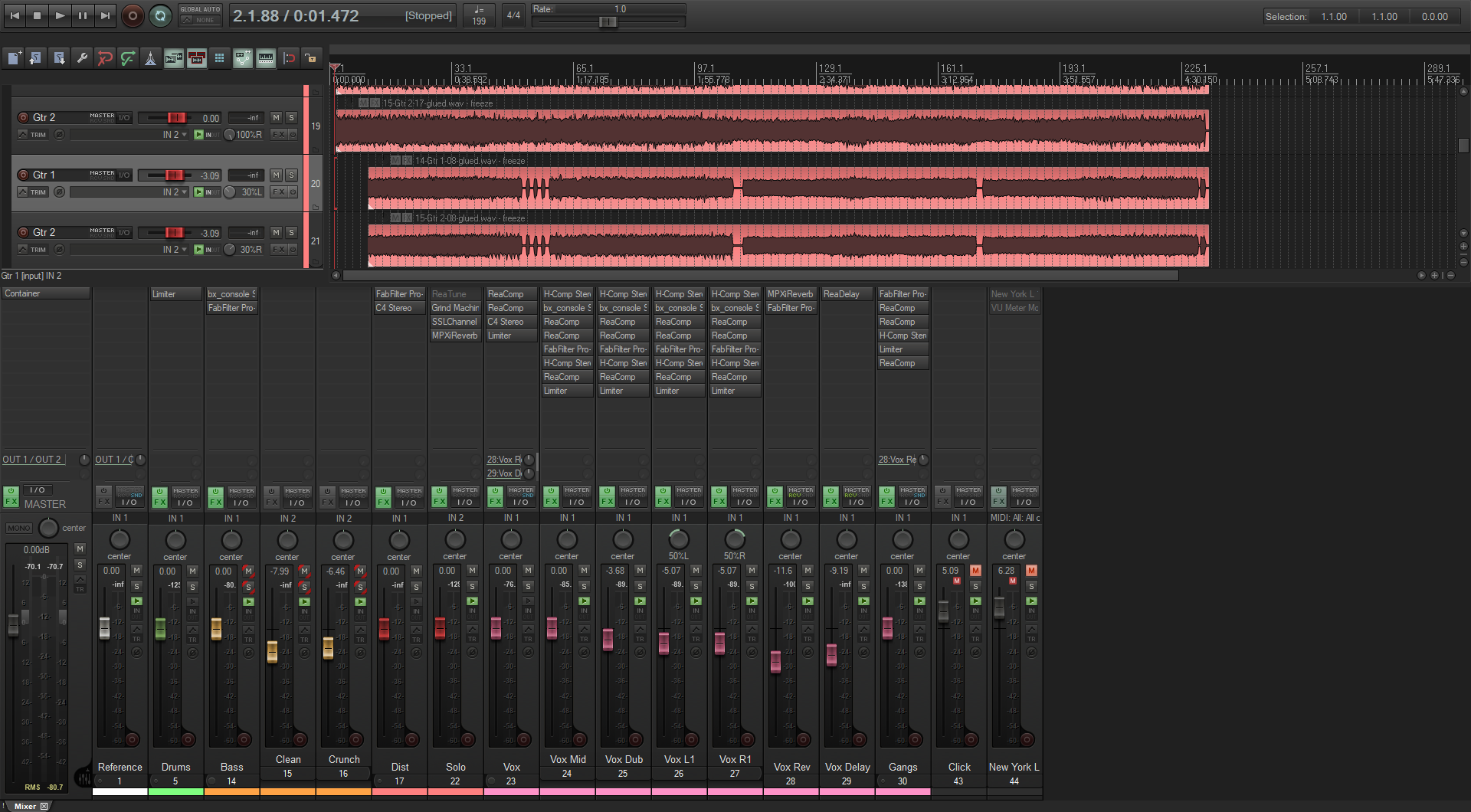
I produced the track in Reaper, my DAW of choice.
The DAW itself doesn’t define the result. Your density decisions do.
But you need full routing control and multitrack flexibility to properly shape:
Layer interaction
Low-end architecture
Parallel treatments
Transient shaping
If you’re not comfortable navigating a DAW at this level, that’s where most density problems begin.
Influences and Sonic Direction
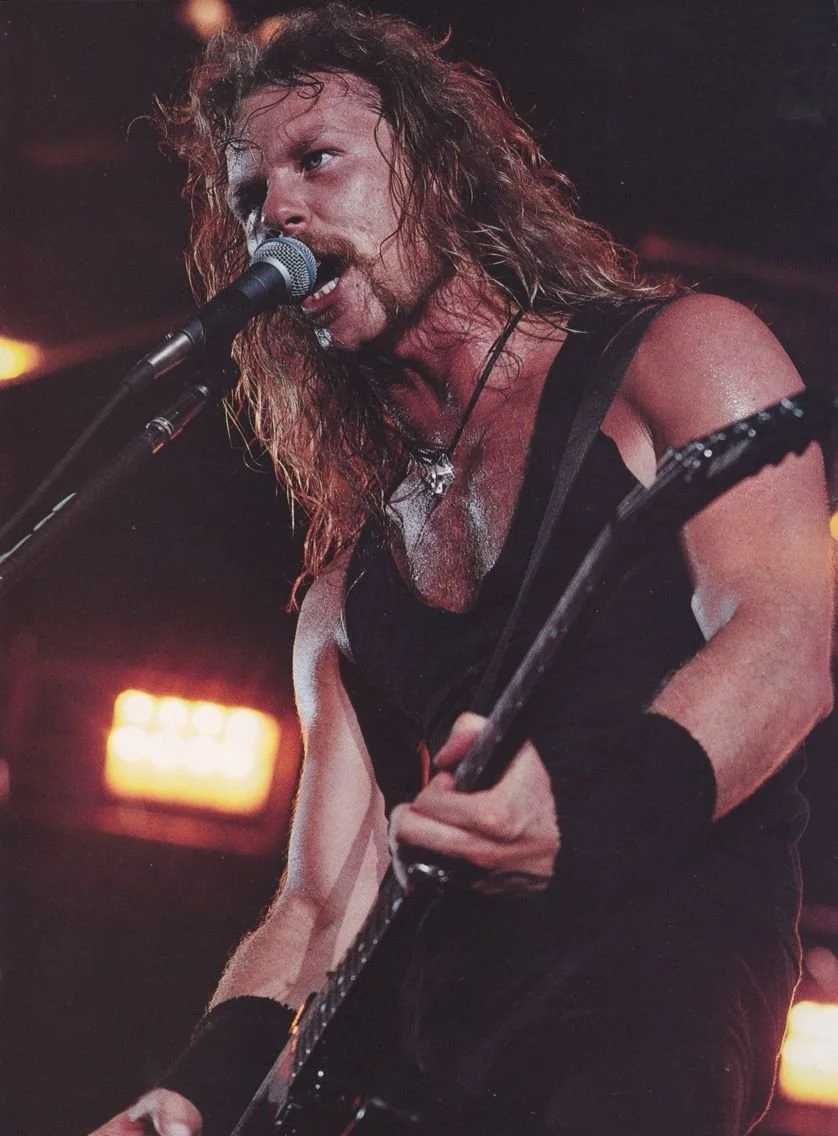
“Entre la Verdad” draws strong inspiration from 80’s thrash, particularly:
Early Metallica
Megadeth
Anthrax
I aimed for the rawer pre-modern thrash aesthetic, closer to Rust in Peace than to modern extreme metal. This is because older thrash productions are excellent stress tests for clarity under speed. They weren’t hyper-saturated, but they demanded precision in performance and layering.
This makes them perfect density case studies.
Guitars: Managing Frequency Stacking in a Fast Arrangement
Thrash lives and dies by guitar articulation.
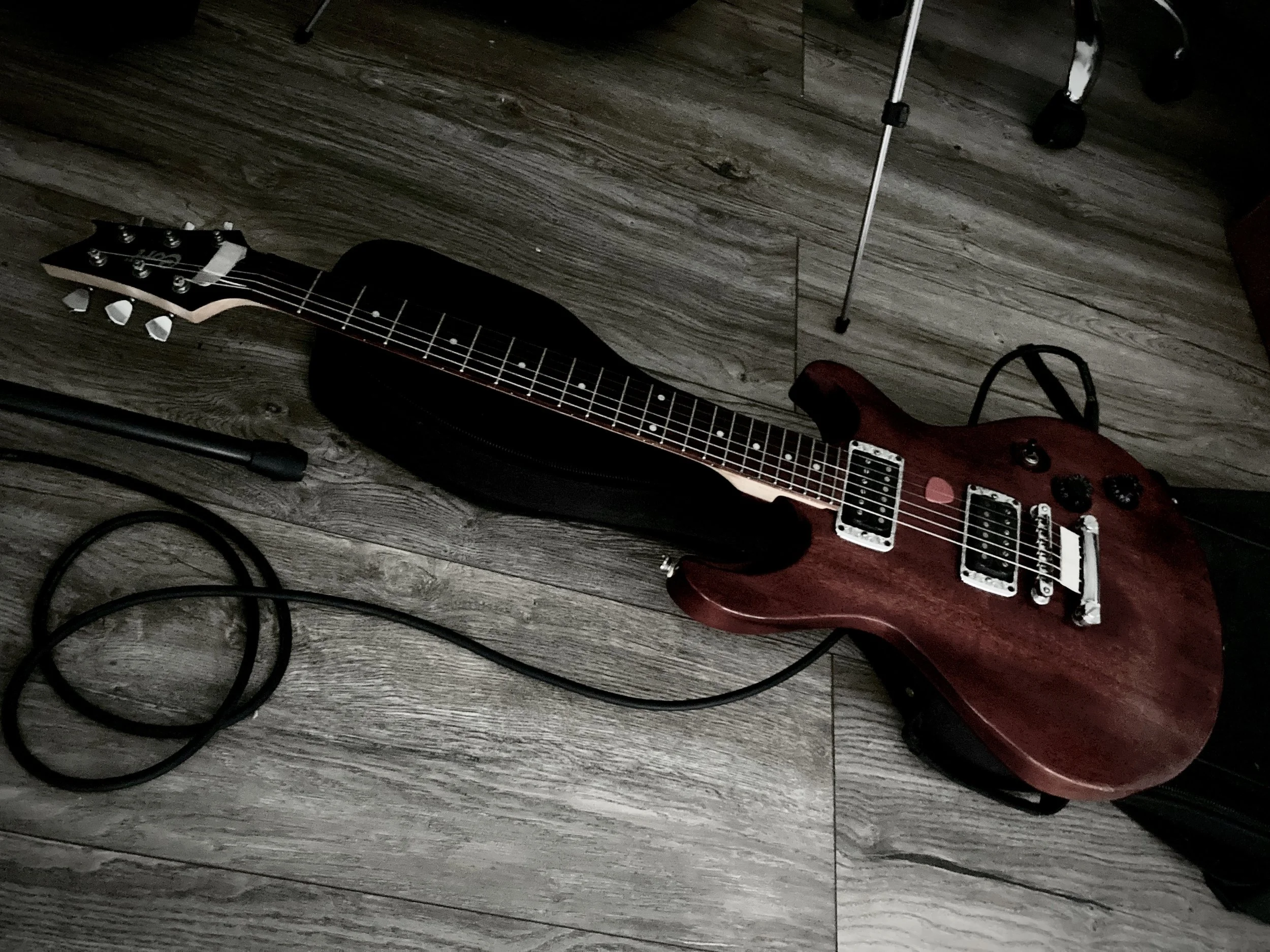
For this production, I recorded four separate guitar tracks:
Two main rhythm guitars — hard-panned L/R.
Two additional support guitars — panned 30% L / 30% R with different amp settings.
This wasn’t just about “making it bigger.”
It was about controlling frequency stacking.
When you layer guitars at high BPM:
Low mids accumulate quickly.
Pick attack can blur.
Palm-mutes start competing with the bass.
Cymbals can become harsh if upper mids are overloaded.
The additional pair of guitars wasn’t for volume. It was for density reinforcement during peak intensity sections.
In some parts, the performances vary slightly to introduce micro-dynamics. That variation prevents phase rigidity and helps preserve articulation.
Thrash may look simple on paper, but once you start stacking high-gain guitars at speed, density becomes the real challenge.
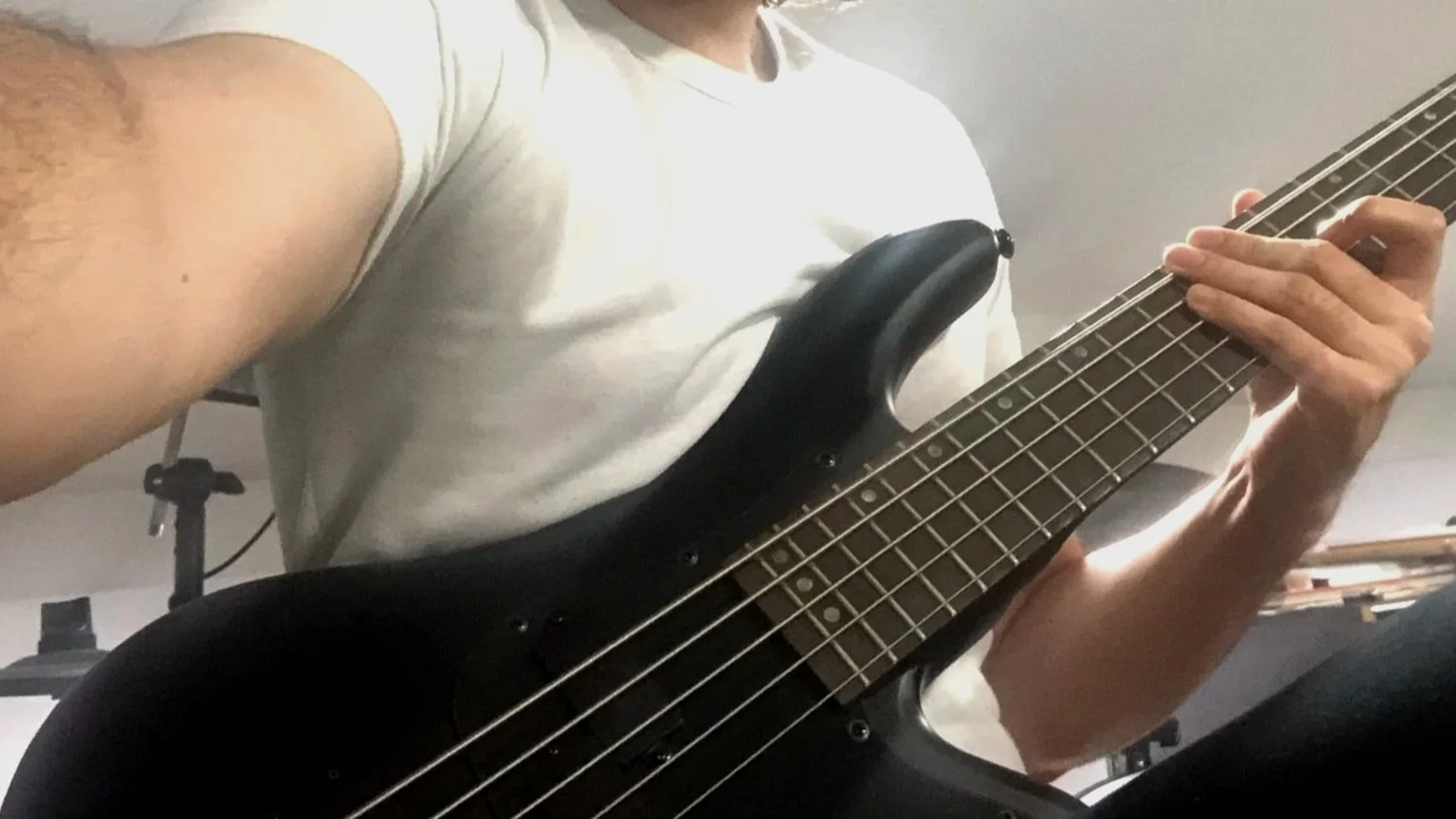
Bass: Low-End Architecture Under Saturation
In thrash, bass often mirrors the guitars, but mirroring doesn’t mean disappearing. Instead of strict mirroring, I introduced strategic deviations in certain sections to prevent low-end masking and maintain forward motion in the arrangement.
I recorded a single bass performance and split it into two functional layers:
Layer 1: Clean Low-End Anchor
Focused on sub and fundamental support.
Layer 2: Controlled Midrange Distortion
Added moderate saturation to enhance midrange presence without overpowering the guitars.
This approach allows:
Kick separation
Palm-mute clarity
Low-end punch without mud
I deliberately avoided the ultra-distorted modern metal bass tone. The goal was controlled support instead of the gritty dominance that modern bass tastefully do.
Low-end architecture isn’t about making the bass louder but understanding how it defines its structural role in the density hierarchy.
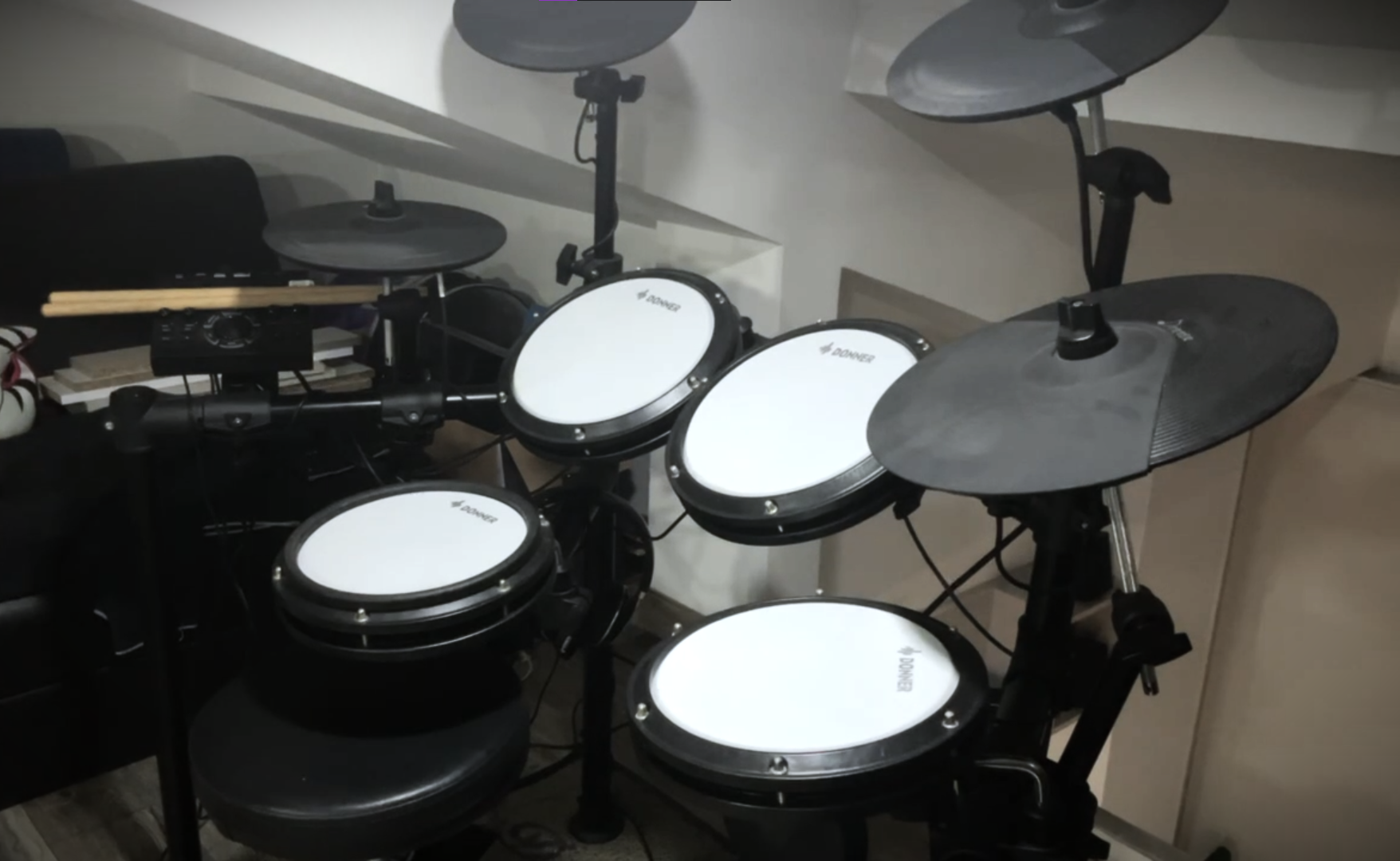
Drums: Transient Behavior at High BPM
The drums were recorded using a Donner DED-200 electronic kit, triggering MIDI inside Reaper and processed through Superior Drummer 3.
After programming and refinement, I exported multitracks:
Kick
Snare
Toms
Overheads
Room
One key decision was adding subtle distortion to enhance transient impact.
I used distortion because at high tempos, transient collisions happen constantly:
Kick vs bass
Snare vs guitars
Cymbals vs upper-mid guitars
Carefully applied harmonic saturation on snare and kick can increase perceived punch without increasing peak level. I would not recommend distortion on cymbals, but you’re free to try; sometimes you get unexpected results with some experimentation.

Vocals: Energy vs Over-Processing
Thrash vocal production is not about surgical perfection like modern pop (or even modern metal, for that matter).
I recorded:
One main vocal track
Several support layers for emphasis
Additional crowd-style shouts recorded at varying distances
Instead of pitch correction, the focus was energy and physicality.
Recording at multiple distances creates natural spatial depth without relying on artificial widening.
When done correctly, this creates:
Depth without clutter
Aggression without harshness
Rawness without chaos
Density doesn’t always require more processing. Sometimes it requires restraint.
Conclusion: Thrash as a Density Discipline
Thrash metal production doesn’t require massive track counts or extreme sound design. It requires clarity under speed.
Four core groups define the architecture:
Guitars
Bass
Drums
Vocals
The challenge isn’t complexity. The challenge is managing:
Frequency stacking
Low-end interaction
Transient collisions
Energy without saturation collapse
Thrash may feel raw, but raw doesn’t mean unstructured.
It’s a discipline in mix architecture.
If Your Mix Collapses When the Arrangement Gets Dense…
Fast riffs. Layered guitars. Blast sections. Saturated bass.
And suddenly:
The kick disappears.
The cymbals turn harsh.
The guitars smear together.
The low end turns into mud.
That’s not a performance problem.
That’s a density architecture problem.
I specialize in mixing modern extreme metal where articulation must survive speed and saturation.
If you’re working on a dense track and want:
Clear low-end separation
Controlled frequency stacking
Punch without harshness
Precision without sterility
Apply below for a Density Architecture Review.
I take on a limited number of projects per month to maintain architectural depth in every mix.
If you care about why your mix collapses when things get fast, not just how to “make it louder”, subscribe below.
I write about density mechanics, frequency stacking, and structural clarity in modern extreme metal.